
Discovering the Majestic Beauty of Jalsu Pass Trek in Himachal Pradesh |Indian Tours
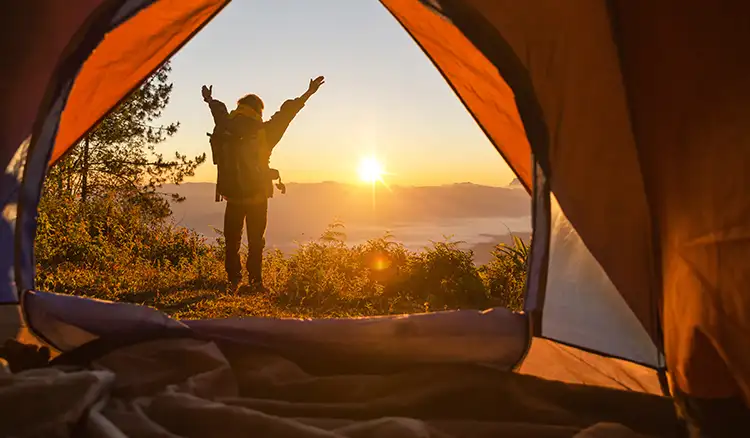
Jalsu Pass Trek Himachal Pradesh
Jalsu Pass Trek is a popular trekking route in Himachal Pradesh, India. It is a moderate level trek that takes you through some of the most stunning landscapes of the region. The trek starts from the small village of Naggar in the Kullu district and goes all the way up to the Jalsu Pass, which is situated at an altitude of 3,600 meters.
The Jalsu Pass Trek is a 4-day trek that covers a distance of around 30 kilometers. The trek takes you through dense forests, lush green meadows, and beautiful alpine valleys. You will also get to see some of the most magnificent views of the Himalayas, including peaks like Hanuman Tibba, Deo Tibba, and Indrasan.
The trek is best done during the months of May to June and September to October when the weather is mild and the skies are clear. The starting point of the trek, Naggar, is easily accessible from major cities like Delhi and Chandigarh. You can either take a bus or drive down to Naggar.
The Jalsu Pass Trek is a great option for nature lovers and adventure enthusiasts who are looking for an offbeat trekking experience in Himachal Pradesh. With its stunning views and serene landscapes, this trek is sure to leave you mesmerized.
Jalsu Pass Trek Highlights
-
Scenic views: The trek offers breathtaking views of the snow-capped Himalayan peaks, lush green meadows, and dense forests.
-
Jalsu Pass: The trek takes you to the Jalsu Pass, which is situated at an altitude of 3,600 meters. It offers panoramic views of the surrounding mountains and valleys.
-
Naggar: The trek starts from the charming village of Naggar, which is famous for its historic temples and traditional architecture.
-
Chanderkhani Pass: The trek also takes you to the Chanderkhani Pass, which is situated at an altitude of 3,660 meters. It is a great vantage point to view the surrounding mountains and valleys.
-
Flora and fauna: The trek takes you through dense forests that are home to a variety of flora and fauna. You may get to spot animals like the Himalayan black bear, musk deer, and snow leopard.
-
Local culture: The trek offers a glimpse into the local culture of Himachal Pradesh. You will get to interact with locals and learn about their way of life.
-
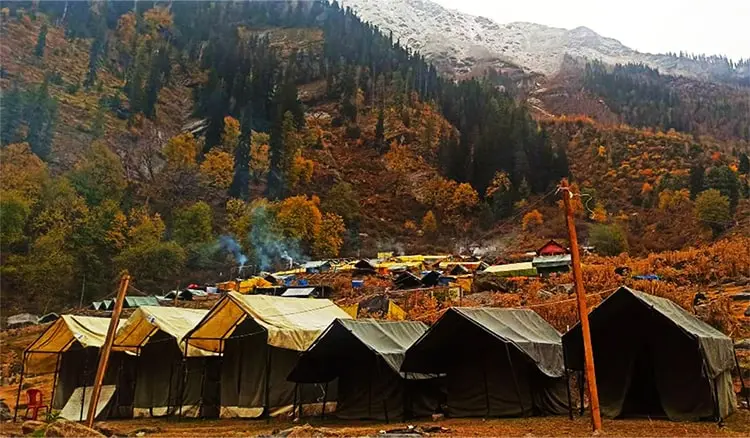
Camping: The trek offers the opportunity to camp under the stars in serene locations, which is an experience in itself.
Starting and Ending Point of Jalsu Pass Trek
The Jalsu Pass Trek in Himachal Pradesh, India, starts from the small village of Naggar in the Kullu district. Naggar is a popular tourist destination known for its historic temples, traditional architecture, and scenic beauty.
To reach Naggar, you can take a bus or taxi from major cities like Delhi or Chandigarh. The nearest airport is in Kullu, which is around 30 kilometers from Naggar.
The trek ends at the village of Parvati Baghicha, which is located at the other end of the Jalsu Pass. From Parvati Baghicha, you can either trek down to the village of Barsheni or take a taxi to reach the town of Kasol, which is a popular tourist destination in Himachal Pradesh.
Overall, the Jalsu Pass Trek is a great way to explore the natural beauty and cultural richness of Himachal Pradesh.
Quick facts about Jalsu Pass Trek
| Location | Himachal Pradesh, India |
| Starting Point | Naggar village |
| Ending Point | Parvati Baghicha or Barsheni |
| Trek Duration | 4 days |
| Trek Distance | 30 kilometers |
| Maximum Altitude | 3,600 meters (Jalsu Pass) |
| Best Time to Go | May to June and September to October |
| Difficulty Level | Moderate |
| Accommodation | Camping |
| Nearest Airport | Kullu Airport |
Jalsu Pass Weather and Jalsu Pass Temperature
The Jalsu Pass Trek in Himachal Pradesh can experience different weather conditions and temperatures depending on the time of year you are trekking.
During the summer months of May to June, the weather is generally mild and pleasant, with daytime temperatures ranging from 15 to 20 degrees Celsius. The skies are clear, and the views of the surrounding mountains are breathtaking.
During the monsoon months of July to August, the weather can be unpredictable, with heavy rainfall and landslides being common. Trekking during this time can be challenging due to the slippery trails and poor visibility.
In the autumn months of September to October, the weather is dry and clear, with mild daytime temperatures ranging from 10 to 15 degrees Celsius. This is a great time to trek to Jalsu Pass as the views are stunning, and the weather is comfortable.
The temperature at Jalsu Pass can drop to freezing levels at night, and it is recommended to carry warm clothes and sleeping bags to stay comfortable. The temperature at Jalsu Pass can range from -5 degrees Celsius to 10 degrees Celsius depending on the time of year.
Things to carry for Jalsu Pass Trek
- Warm clothing (including a down jacket, thermal innerwear, gloves, and a beanie)
- Trekking shoes with good grip
- Backpack with rain cover
- Sleeping bag and sleeping mat
- Headlamp or flashlight with extra batteries
- Water bottles or hydration system
- Snacks and energy bars
- Personal toiletries (toothbrush, toothpaste, wet wipes, etc.)
- Sunscreen lotion and sunglasses
- First-aid kit (including medication for altitude sickness)
- Insect repellent
- Trekking poles (optional but helpful)
- Camera or phone with extra batteries and memory cards
Day-wise itinerary
Day 1: Trek from Palampur to Paprola
The Jalsu Pass Trek begins from Talai, which is located approximately 5 kilometres from the Hydro Project. From Talai, the trek takes you through Kothru, and it takes about 5 to 6 hours of walking to reach Parai.
Day 2: Trek from Parai to Jalsu
Starting early in the morning, you will begin your trek from Parai towards Kharli. The trek to Kharli involves a steep ascent and takes around 3 to 4 hours. From Kharli, you will continue towards Jalsu Pass, which is situated at an altitude of 3,600 metres. The trek from Kharli to Jalsu Pass involves a gradual ascent and takes around 4 to 5 hours. Along the way, you will be rewarded with stunning views of the surrounding mountains and valleys.
Day 3: Trek from Jalsu Gote to Surai Village
After reaching Jalsu Pass, the trek descends towards Surai Village via Yara Gote. The descent is gradual and takes around 4 to 5 hours. You will spend the night in tents at Surai Village, surrounded by beautiful landscapes and mountain views. It is a great opportunity to relax and unwind after a long day of trekking.
Day 4: Trek from Surai Village to Nayagaon
On the last day of the Jalsu Pass Trek, you will trek from Surai Village to Nayagaon via Laka Mata. The trek takes approximately 3 to 4 hours and involves a gradual descent through beautiful forests and meadows. The trek ends at the Laka Mata temple, where you can rest and enjoy the surroundings. From Laka Mata, you can hire a taxi or take a shared jeep to reach Chamba, which is approximately 25 kilometres away. The drive takes around 1 to 2 hours and offers stunning views of the mountains and valleys. Once you reach Chamba, you can explore the town and visit its famous temples and landmarks.
Inclusions
Inclusions
- Accommodation in sharing tents during the trek (Day 2 and Day 3 nights).
- Vegetarian meals during the trek as per the itinerary.
- Sleeping bags and sleeping mats.
- Experienced trek leader and certified guides.
- Forest permits and camping charges.
- Basic first aid kit.
Exclusions
- Transport to the starting point at Talai and from Laka Mata to Chamba.
- Travel insurance and medical expenses.
- Personal porter or mule charges.
- Bottled water, snacks and any personal expenses.
- Any cost arising from natural calamities, landslides, road blockage, bad weather or other unforeseen events.
- Anything not mentioned in the inclusions.
Important information
Cancellations prior to 10 days from the start of the trek are entitled to a full refund(excluding the transaction charges)Cancellation between the 9th day and the 3rd day to the start of the trek will have an 80% refund. Cancellation less than 3 days to the start of the trek will have NO refund. For any assistance mail us at: info@indian-tours.in
DISCLAIMER:
This activity is hugely dependent upon weather. The trip may get canceled without any prior notice due to weather or any unforeseen adverse circumstances
Frequently asked questions
FAQS
1. What is the best time to do the Jalsu Pass Trek?
The best time is from May to June and from September to October, when the weather is clear and the trails are in good condition. Winter brings heavy snow on the pass, while the monsoon (July and August) makes the trail slippery and risky.
2. How difficult is the Jalsu Pass Trek?
It is rated moderate. The trek takes 4 days with 3 to 6 hours of walking each day, including a steep ascent to Kharli and a long climb to the pass. Good fitness and some stamina training before the trek are recommended.
3. What is the altitude of Jalsu Pass?
Jalsu Pass is at an altitude of about 3,600 metres, and it offers views of the surrounding mountains and valleys.
4. Where does the trek start and end?
The trek starts from Talai, about 5 km from the Hydro Project, and goes through Parai, Kharli, Jalsu Pass and Surai Village. It ends at Nayagaon (Laka Mata temple), from where you can take a taxi or shared jeep to Chamba.
5. Is the Jalsu Pass Trek suitable for beginners?
Beginners with good fitness can do it with the support of our guides. You should be able to walk 4 to 6 hours a day on uneven terrain. Start running, cycling or brisk walking a few weeks before the trek.
6. Where do we stay during the trek?
You stay in sharing tents at the campsites, including at Surai Village on Day 3. Sleeping bags and mats are provided, and vegetarian meals are served as per the itinerary.
7. What should I carry on the trek?
Carry sturdy trekking shoes with good grip, a rucksack, warm layers, a waterproof jacket, gloves, a woollen cap, sunglasses, sunscreen, a water bottle, a torch or headlamp, personal medicines and a power bank.
8. Is mobile network available on the trail?
Network is limited on the trail and is not available at most campsites. Please inform your family in advance.
9. How do I reach Chamba after the trek?
From Laka Mata, you can hire a taxi or take a shared jeep to Chamba, which is about 25 km away. The drive takes around 1 to 2 hours.
10. What happens if the weather is bad?
Safety comes first. If heavy rain, snow or landslides make the trek unsafe, the guides may delay, reroute or cancel the trek. Any extra cost due to natural calamities or unforeseen conditions is not included in the package.
Travel Guides & Helpful Articles
Similar Tour Packages
Kheerganga Trek: An Adventure to the Heart of the Himalayas Book Now | Indian-Tours
From ₹800
View Tour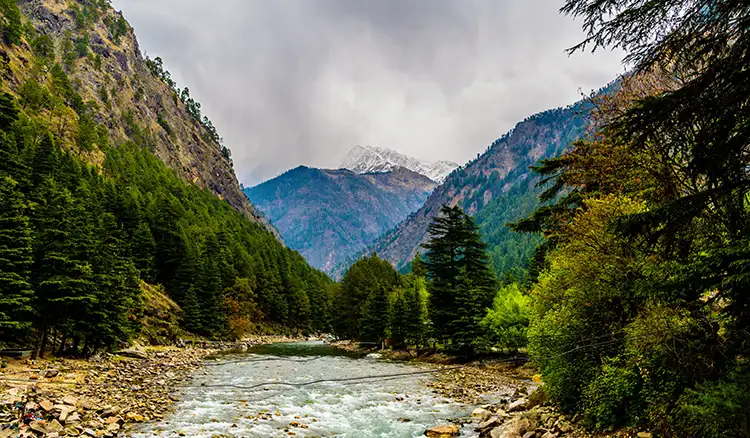
Guided Trek to Grahan Village in Himachal Pradesh | Indian Tours
From ₹1,100
View Tour
Camping in Kasol 2027 – Riverside Camps & Stays
From ₹1,000
View Tour
Exploring the Beauty of Kasol: A Memorable Journey from Delhi 2026 | Indian-Tours
From ₹4,500
View TourVerified traveller reviews
No verified reviews published yet.
Share your tour experience
Reviews are published only after trip verification and moderation.